
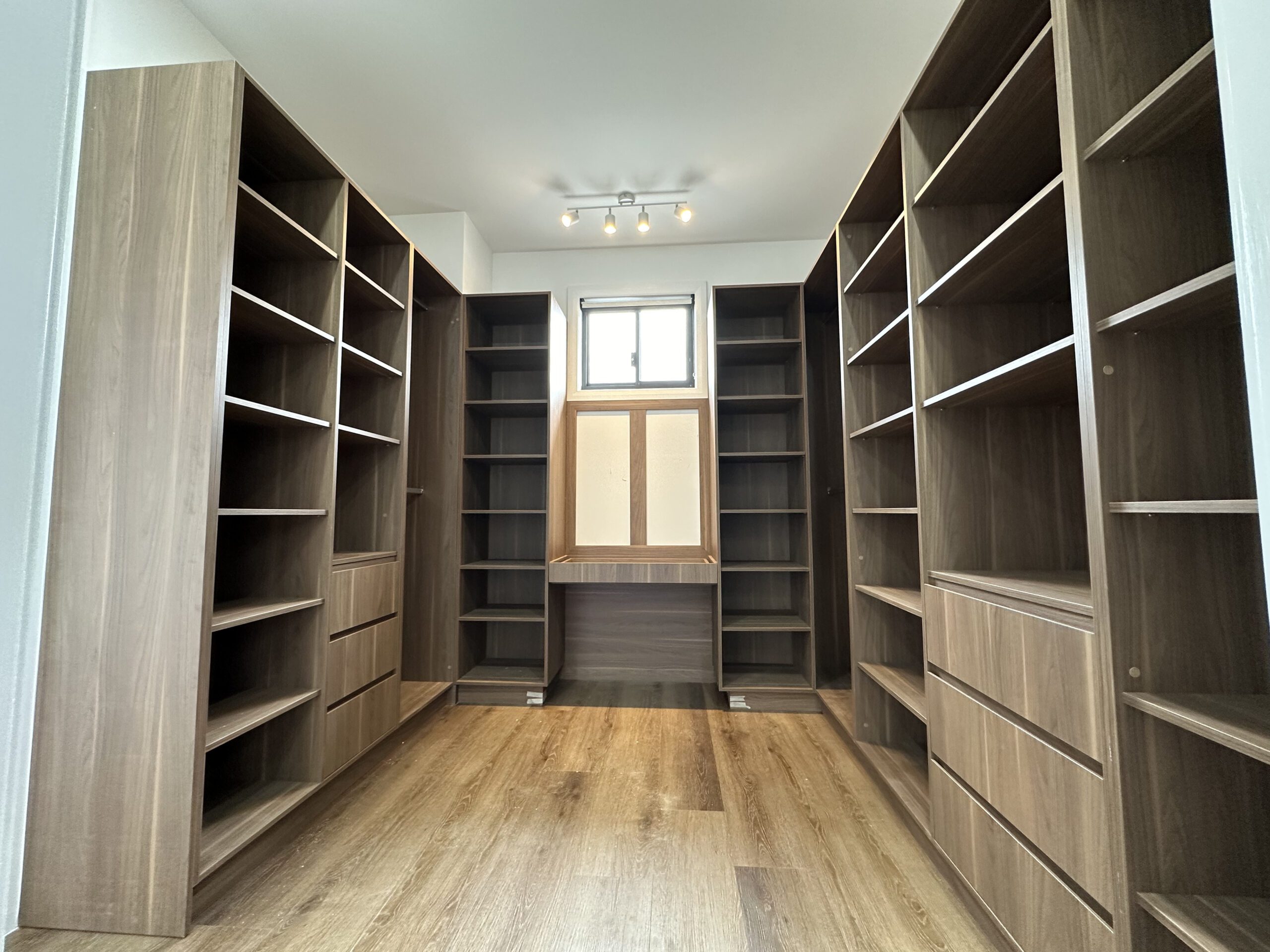
Choosing the right wardrobe can make a significant difference to how organised and functional a bedroom feels. While freestanding wardrobes are a flexible option, built-in wardrobes can provide a more integrated storage solution that makes better use of the available space.
If you’re renovating your bedroom, building a new home or simply looking for better storage, it’s worth considering the advantages and limitations of both options.
For homeowners in Sydney and the Hills District, the right wardrobe solution will depend on your available space, storage requirements, budget and the overall design of your home.
What Is a Freestanding Wardrobe?
A freestanding wardrobe is a standalone piece of furniture that can be purchased and positioned within a bedroom.
One of its main advantages is flexibility. If you move house or want to change your bedroom layout, the wardrobe can generally be moved with you.
Freestanding wardrobes can also be a practical choice when you’re renting or don’t want to make permanent changes to the room.
However, standard furniture sizes may leave unused space between the wardrobe and the ceiling or walls.
What Is a Built-In Wardrobe?
A built-in wardrobe is designed and installed as part of the room.
Rather than being a separate piece of furniture, the wardrobe can be designed around the dimensions of the available wall.
This can provide opportunities to maximise storage and create a more seamless appearance.
Built-in wardrobes can be particularly useful for:
- Main bedrooms
- Children’s bedrooms
- Guest bedrooms
- Narrow rooms
- Walk-in wardrobes
- Awkward spaces
- Rooms with high ceilings
Built-In vs Freestanding Wardrobes
| Feature | Built-In Wardrobe | Freestanding Wardrobe |
|---|---|---|
| Use of space | Designed around the room | Based on standard dimensions |
| Storage | Can be customised | Usually predetermined |
| Appearance | Integrated with the room | Standalone furniture |
| Flexibility | More permanent | Easier to move |
| Awkward spaces | Can be designed around | More difficult to accommodate |
| Ceiling height | Can utilise more vertical space | May leave unused space |
| Customisation | High | Usually more limited |
1. Make Better Use of Vertical Space
One of the biggest advantages of built-in wardrobes is the ability to use more of the available wall height.
A standard wardrobe may stop well below the ceiling, leaving an area that collects dust or becomes unused storage space.
A built-in wardrobe can extend closer to the ceiling, providing additional space for items that aren’t needed every day.
For example, the upper section could be used for:
- Suitcases
- Seasonal clothing
- Spare bedding
- Blankets
- Storage boxes
This can be particularly useful in bedrooms where floor space is limited.
2. Design the Storage Around Your Clothing
Everyone has different storage requirements.
Some people need more hanging space, while others need drawers and shelving.
When planning a built-in wardrobe, you can consider how much space you need for:
- Long garments
- Shirts and jackets
- Folded clothing
- Shoes
- Accessories
- Bags
- Bedding
Instead of having a generic arrangement, the internal configuration can be planned around your belongings.
3. Think About Drawers and Shelving
A well-designed wardrobe usually needs more than just hanging rails.
Drawers can be useful for smaller items, while adjustable shelving can provide flexible storage for folded clothing, bags and accessories.
A combination of hanging space, drawers and shelving can make the wardrobe much easier to organise.
Sample Built-In Wardrobe Layout
A simple wardrobe could be arranged like this:
┌──────────────────────────────────────────┐
│              TOP STORAGE                 │
│  ┌──────────────┬──────────────┬──────┐  │
│  │   STORAGE    │   STORAGE    │      │  │
│  └──────────────┴──────────────┴──────┘  │
│                                          │
│  ┌──────────┐  ┌──────────┐  ┌────────┐ │
│  │ HANGING  │  │ HANGING  │  │SHELVES │ │
│  │  SPACE   │  │  SPACE   │  │        │ │
│  │          │  │          │  │        │ │
│  ├──────────┤  ├──────────┤  ├────────┤ │
│  │ DRAWERS  │  │ DRAWERS  │  │ SHOES  │ │
│  └──────────┘  └──────────┘  └────────┘ │
└──────────────────────────────────────────┘
This is only an example. The ideal configuration will depend on the size of your wardrobe and the items you need to store.
4. Consider Sliding or Hinged Doors
The type of wardrobe door you choose can affect both the appearance and functionality of the room.
Sliding Doors
Sliding doors can be useful when bedroom floor space is limited because they don’t require additional clearance when opening.
They can also create a clean, contemporary appearance.
Hinged Doors
Hinged doors provide full access to the wardrobe interior when opened.
They can also allow each section to be accessed individually.
The best option depends on the room layout, available space and your preferred style.
5. Make Small Bedrooms More Functional
Small bedrooms can benefit significantly from carefully planned storage.
A freestanding wardrobe may take up valuable floor space while leaving gaps around or above the furniture.
A built-in wardrobe can be designed to use the available wall more efficiently.
For example, cabinetry can be designed from floor to ceiling, while the internal storage can be configured around the amount of clothing and belongings you actually have.
The result can be a cleaner and more organised bedroom without necessarily increasing the room’s footprint.
6. Consider a Walk-In Wardrobe
If you have enough space, a walk-in wardrobe can provide even more flexibility.
A walk-in wardrobe can incorporate:
- Hanging rails
- Drawers
- Shelving
- Shoe storage
- Accessory storage
- Dedicated sections for different clothing types
The layout should provide enough space to move comfortably between the storage areas.
Good planning is particularly important in smaller walk-in wardrobes, where poorly positioned cabinetry can make the space feel cramped.
7. Think About the Overall Bedroom Design
Wardrobes occupy a significant amount of wall space, so their appearance can have a strong influence on the bedroom.
Consider how the wardrobe doors, colours and finishes will work with:
- Flooring
- Wall colours
- Bedside furniture
- Lighting
- Bedroom doors
- Other cabinetry
A well-designed built-in wardrobe can blend into the room rather than looking like a separate piece of furniture.
8. Don’t Forget About Lighting
Lighting can make it easier to find clothing and accessories inside a wardrobe.
If you’re planning a new wardrobe, consider how the interior will be illuminated.
Depending on the design, lighting solutions can potentially be incorporated into the cabinetry.
Even simple improvements to visibility can make a wardrobe much easier to use every morning.
9. Think About Long-Term Storage Needs
Your wardrobe needs may change over time.
A child may need a different configuration as they grow, while a couple may require a combination of individual and shared storage.
When designing custom cabinetry, consider not only what you need today but also how the space might be used in the future.
Flexible shelving and a thoughtful combination of storage types can help the wardrobe adapt over time.
10. Choose Storage Based on Your Lifestyle
Ultimately, the best wardrobe is the one that works for you.
Someone with a large shoe collection may need more shelving, while another person may prioritise hanging space.
If you frequently travel, additional upper storage for luggage may be useful.
If you prefer folded clothing, drawers and shelving may be more important than extensive hanging space.
There is no single wardrobe configuration that works for everyone.
Are Built-In Wardrobes Worth It?
For homeowners who want to maximise storage and create a more integrated bedroom design, built-in wardrobes can be a worthwhile option.
They can make better use of awkward spaces, provide tailored storage and create a cohesive appearance.
However, a freestanding wardrobe may still be the better choice if you need flexibility or are working with a limited budget.
The right choice ultimately depends on your home and your requirements.
Planning a Custom Wardrobe in Sydney?
Good wardrobe design is about more than simply adding storage.
It involves understanding how much you need to store, how you organise your belongings and how the wardrobe will work within the room.
Custom joinery can provide the flexibility to create a wardrobe around your available space rather than relying entirely on standard dimensions.
If you’re considering built-in wardrobes, walk-in wardrobes or other custom joinery for your home in Sydney’s Hills District, Hills Wide Kitchens can help you explore a storage solution designed around your needs.
Contact Hills Wide Kitchens to discuss your custom wardrobe and joinery ideas.
Frequently Asked Questions
Neither option is automatically better. Built-in wardrobes can provide more customised storage and make better use of available space, while freestanding wardrobes offer greater flexibility and can be moved more easily.
Yes. Built-in wardrobes can be designed to use the available wall space efficiently, including vertical space that might otherwise remain unused.
Sliding doors don’t require the same front clearance as hinged doors, which can make them a practical option for bedrooms where floor space is limited.
Yes. Depending on the design, the internal layout can include different combinations of hanging space, drawers, shelving and other storage solutions.
Start by considering what you actually need to store. A combination of hanging rails, drawers, shelving and upper storage can help make the most of the available space.
Create Storage That Works for Your Home
A well-designed wardrobe can make your bedroom feel more organised while providing storage tailored to your lifestyle.
Whether you’re looking for a built-in wardrobe, walk-in wardrobe or another custom storage solution, careful planning can help you make better use of your available space.
Hills Wide Kitchens can help you explore custom wardrobe and joinery solutions for homes throughout the Hills District and surrounding Sydney areas.