
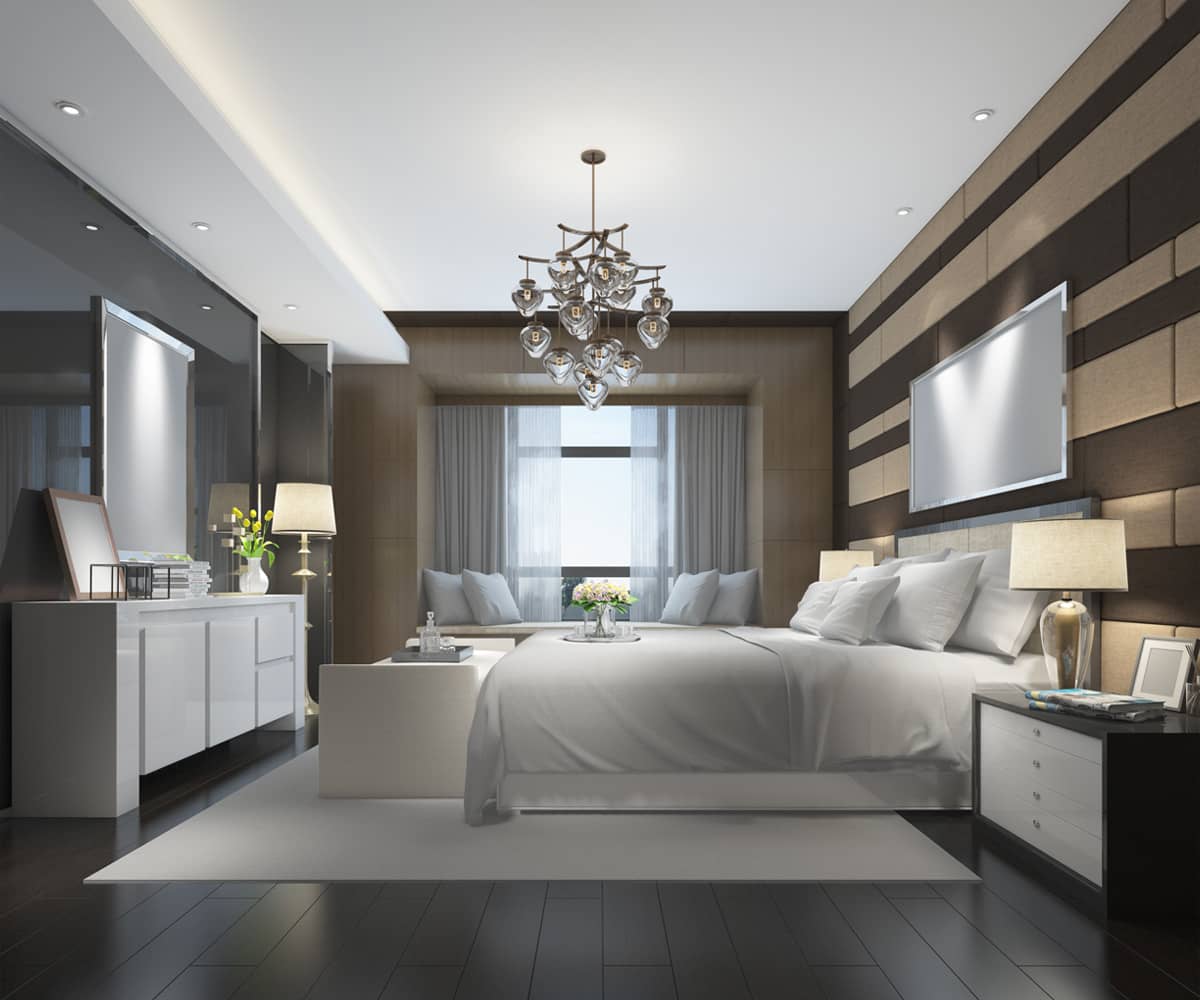
The living room is often one of the busiest spaces in the home. It may be where you relax, entertain guests, watch television, read, work or spend time with family. With so many different activities taking place in one room, keeping everything organised can be a challenge.
Built-in cabinetry and custom joinery can provide practical storage while helping the living room maintain a clean and cohesive appearance. Instead of relying entirely on freestanding furniture, storage can be designed around the dimensions of the room and the way you use the space.
Whether you have a large open-plan living area or a compact family room, here are eight built-in living room storage ideas to consider.
1. Create a Built-In TV Unit
The television is often the focal point of a living room, making the area around it an ideal location for built-in cabinetry.
A custom TV unit can combine the television with storage for entertainment equipment, books, décor and other household items.
Depending on the design, cabinetry can include:
- Open shelving
- Closed cupboards
- Drawers
- Media equipment storage
- Display areas
- Cable management
Rather than having several separate pieces of furniture around the television, a built-in unit can bring the different elements together into one cohesive design.
2. Make Use of an Empty Wall
Large blank walls can provide valuable storage opportunities.
Instead of leaving the wall completely unused, consider incorporating a combination of shelving and cabinetry.
For example, a wall could include:
Open shelving for books and décor
Closed cabinets for items you want to keep out of sight
Display sections for artwork and personal belongings
Low cabinetry for additional storage
The exact arrangement will depend on the size and layout of your room.
3. Combine Open and Closed Storage
Not everything needs to be displayed.
Open shelving works well for items you want to see, while closed cabinetry can help hide everyday clutter.
A combination of both can provide a practical balance.
For example:
┌──────────────────────────────────────┐
│       OPEN SHELVING / DISPLAY        │
│  ┌──────┐ ┌──────┐ ┌──────┐ ┌────┐  │
│  │BOOKS │ │ DECOR│ │ ART  │ │    │  │
│  └──────┘ └──────┘ └──────┘ └────┘  │
│                                      │
│          ┌──────────────┐            │
│          │      TV      │            │
│          └──────────────┘            │
│                                      │
│ ┌────────┐ ┌────────────┐ ┌────────┐ │
│ │ DRAWER │ │   CABINET  │ │ DRAWER │ │
│ └────────┘ └────────────┘ └────────┘ │
└──────────────────────────────────────┘
This is only a sample concept. The final configuration should be designed around the room, television size, storage requirements and existing features.
4. Use Custom Joinery Around Awkward Spaces
Not every living room has a straightforward layout.
You may have:
- A narrow wall
- An unused corner
- A structural column
- A fireplace
- Windows in unusual positions
- An angled wall
- An open area beneath stairs
These areas can be difficult to furnish with standard furniture.
Custom joinery can provide an opportunity to design storage around the existing characteristics of the room.
Rather than leaving an awkward area unused, it may be possible to incorporate shelving, cupboards or display storage into the space.
5. Consider Floor-to-Ceiling Storage
If you need a significant amount of storage, consider using the vertical space available in the room.
Floor-to-ceiling cabinetry can provide considerably more storage than a low entertainment unit.
The upper sections can be used for items that aren’t needed every day, while lower drawers and cupboards can be reserved for frequently used belongings.
This approach can also create a strong architectural feature within the room.
However, a floor-to-ceiling design should be carefully planned so the cabinetry doesn’t make the room feel visually heavy.
6. Hide Everyday Clutter
One of the biggest benefits of built-in storage is the ability to keep everyday items organised and out of sight.
Living rooms often accumulate:
- Remote controls
- Gaming equipment
- Books
- Toys
- Chargers
- Blankets
- Board games
- Electronic accessories
Dedicated drawers and cupboards can provide a place for these items.
When everything has a designated storage area, it becomes easier to keep the living room tidy.
7. Design Storage Around Your Lifestyle
The ideal living room storage solution depends on how your household uses the space.
A family with young children may need accessible storage for toys and games.
A household that enjoys entertaining may need additional storage for serving items and entertaining essentials.
Someone who enjoys reading may want extensive shelving for books.
If you have a home theatre setup, you may need dedicated areas for media equipment and consoles.
Before designing your cabinetry, make a list of the things you want to store. This can help determine the right combination of shelves, drawers and cupboards.
8. Make the Cabinetry Part of the Interior Design
Storage doesn’t have to look like an afterthought.
When cabinetry is designed alongside the rest of the room, it can become an important part of the overall interior.
Consider how the cabinetry will work with:
- Flooring
- Wall colours
- Furniture
- Lighting
- Curtains
- Artwork
- Other joinery
Simple, well-proportioned cabinetry can create a clean and cohesive appearance.
Built-In Storage for Open-Plan Living Areas
Open-plan homes can benefit particularly from well-designed storage.
Because the living room may connect directly to the kitchen, dining area or other spaces, bulky freestanding furniture can sometimes make the area feel cluttered.
Built-in cabinetry can provide storage while maintaining a consistent visual style across the open-plan space.
It can also help define different areas without completely separating them.
Should You Choose Open Shelving or Closed Cabinets?
Both options have their advantages.
Open Shelving
Open shelving can be useful for:
- Books
- Artwork
- Plants
- Decorative objects
- Personal collections
It can also make cabinetry feel lighter.
However, everything is visible, so shelves may require more regular organisation and cleaning.
Closed Cabinets
Closed cabinets are useful for:
- Electronics
- Toys
- Documents
- Household items
- Cables
- Everyday clutter
They provide a cleaner appearance because the contents can be hidden from view.
For many living rooms, combining open shelving and closed cabinetry provides the best balance.
Custom Joinery vs Freestanding Furniture
Freestanding furniture can be a convenient option because it can generally be moved or replaced relatively easily.
However, standard furniture may leave unused areas around it, particularly in rooms with unusual dimensions.
Custom joinery can be designed specifically for the available space.
This can be particularly valuable if you want to:
- Maximise storage
- Use an awkward wall
- Create a built-in TV unit
- Hide clutter
- Incorporate specific storage requirements
- Create a cohesive interior
The best choice will depend on your budget, home and long-term requirements.
Planning Custom Living Room Joinery in Sydney?
A well-designed living room should feel comfortable, organised and suited to the way your household lives.
Storage is an important part of achieving that balance. By combining practical cabinetry with thoughtful design, you can create storage that works for your everyday needs without overwhelming the room.
Custom joinery can be particularly useful when you’re working with an unusual space or want to make better use of an entire wall.
If you’re considering built-in living room storage, entertainment cabinetry or custom joinery in Sydney’s Hills District, Hills Wide Kitchens can help you explore options suited to your home and lifestyle.
Contact Hills Wide Kitchens to discuss your custom joinery and living room storage ideas.
Frequently Asked Questions
Built-in storage can be worthwhile if you want to maximise available space, reduce clutter or create cabinetry designed specifically around your room and lifestyle.
Depending on the design, cabinetry can be used for books, electronics, toys, games, blankets, décor, documents and many other household items.
Both can be useful. Open shelving is ideal for displaying books and decorative items, while closed storage is useful for hiding everyday clutter. A combination of both can provide flexibility.
Yes. A TV unit can be incorporated into a larger cabinetry design with storage for media equipment, books, décor and other items.
Yes. Custom joinery can be designed around the dimensions of a smaller room, helping make use of available wall and vertical space without relying entirely on large freestanding furniture.
Yes. Custom joinery can be designed around the dimensions of a smaller room, helping make use of available wall and vertical space without relying entirely on large freestanding furniture.
Create a Living Room That Works for You
Good storage can make a significant difference to how your living room looks and functions.
From a simple built-in TV unit to a complete wall of custom cabinetry, there are many ways to create storage that complements your home while helping keep everyday clutter under control.
If you’re planning custom joinery for your living room in the Hills District or surrounding Sydney areas, Hills Wide Kitchens can help you explore practical storage solutions designed around your space.
Make better use of your living room with custom storage designed for the way you live.